Pennsylvania private wells
Well water treatment in Pennsylvania, built around your test result
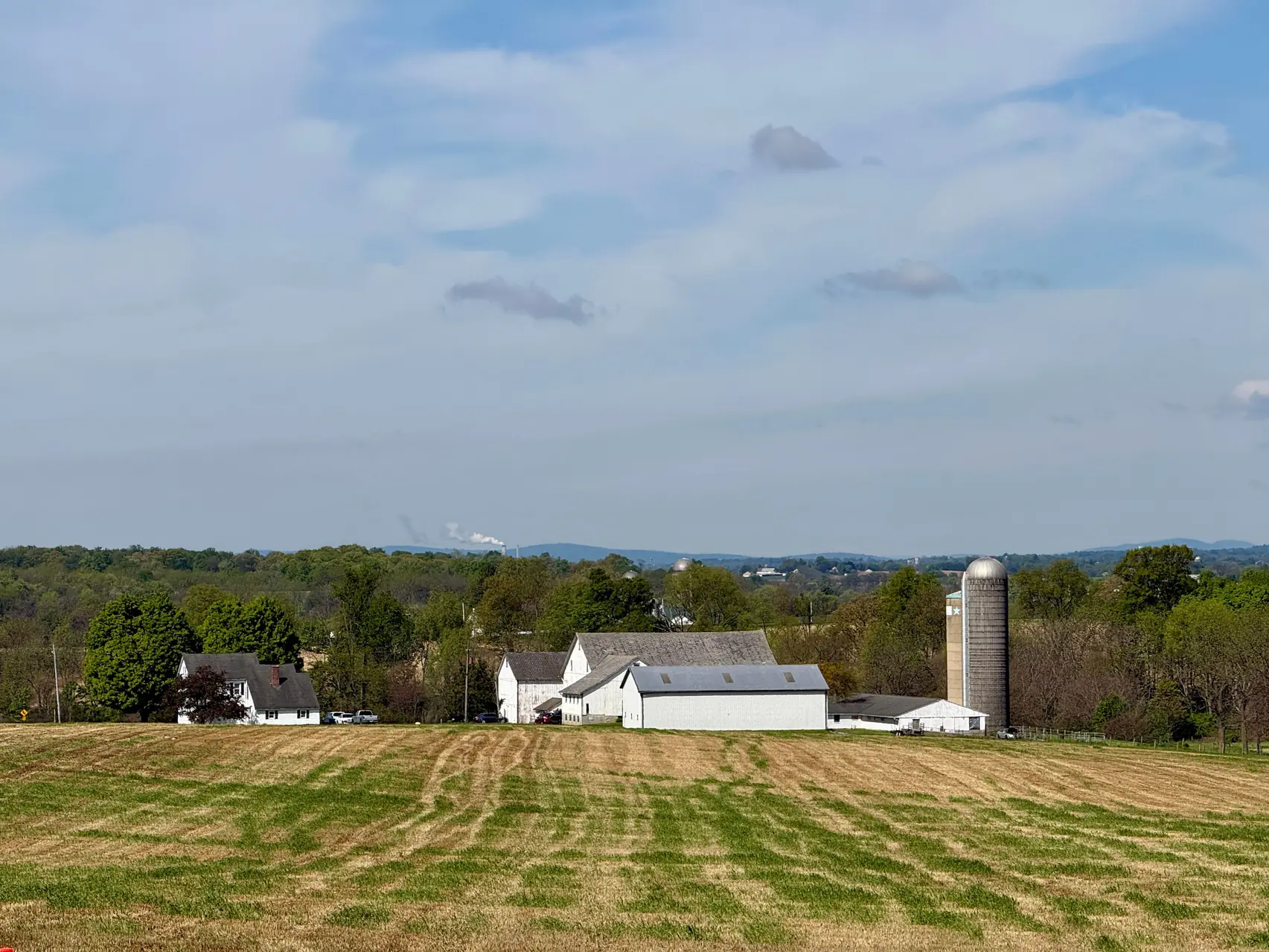
More than 1 million Pennsylvania homes draw water from a private well, and the state sets no construction or water quality standards for any of them. When your lab report comes back, no agency calls you with next steps. Keystone Well Water exists for that moment: we explain what the numbers mean, and the fix gets quoted by a water treatment contractor working in your county. Free for homeowners.
Start from what your report found
- Total coliform or E. coli the most common failure in PA wells
- Iron, manganese, or staining the everyday problem, worst up north and west
- Nitrate above 10 mg/L watch the agricultural southeast
- Radon in water widespread and almost nobody tests for it
- Lead, arsenic, or PFAS the health-standard group, region-specific
From lab report to fixed water, in three steps
-
Test, or bring the result you have
Use a DEP-accredited lab or the Penn State kit. Already holding a report? You are ahead; the numbers on it decide everything that follows.
-
Tell us your county and what the water is doing
Four fields, under a minute. Your county and what the report flagged are enough for the request to land with someone who handles that exact problem nearby.
-
Hear from an independent local contractor
A licensed contractor working your county reviews your result, quotes the fix, and does the work. You deal with them directly and pay nothing extra.
Get a Free Quote
Nobody is checking your well. That is the whole problem.
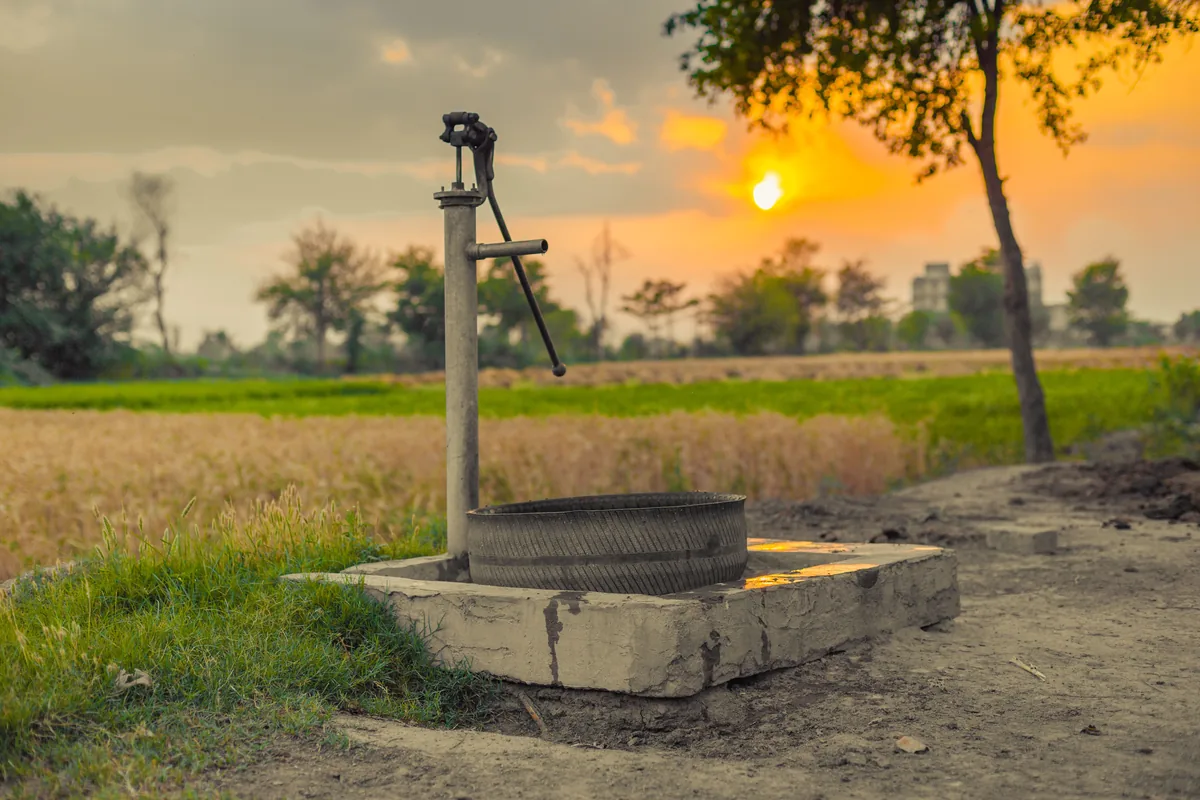
Pennsylvania is one of only a few states with no statewide private well construction standards; only local ordinances apply, and most counties have none. The state's PFAS drinking water limits stop at the public water meter too, so a private well sits outside every one of those protections. Testing, interpreting, and treating are entirely the owner's job.
That is why this site leads with education instead of sales copy. Test first, treat second: it is the order Penn State Extension and the Pennsylvania DEP both teach, and it is the order that keeps you from buying equipment your water does not need.
| About 40 percent | of tested PA wells fail at least one health-based drinking water standard Source: Penn State Extension |
| 35 percent | of wells test positive for total coliform bacteria; 15 percent for E. coli Source: Penn State Extension |
| About 20,000 | new private wells are drilled in Pennsylvania every year Source: Penn State Extension |
| Zero | statewide construction or water quality standards apply to those wells Source: PA Department of Environmental Protection |
What a well water treatment quote covers
Equipment gets sized to your lab numbers, your household, and your plumbing, not to a catalog. The two most requested starting points in Pennsylvania:
Bacteria and UV disinfection
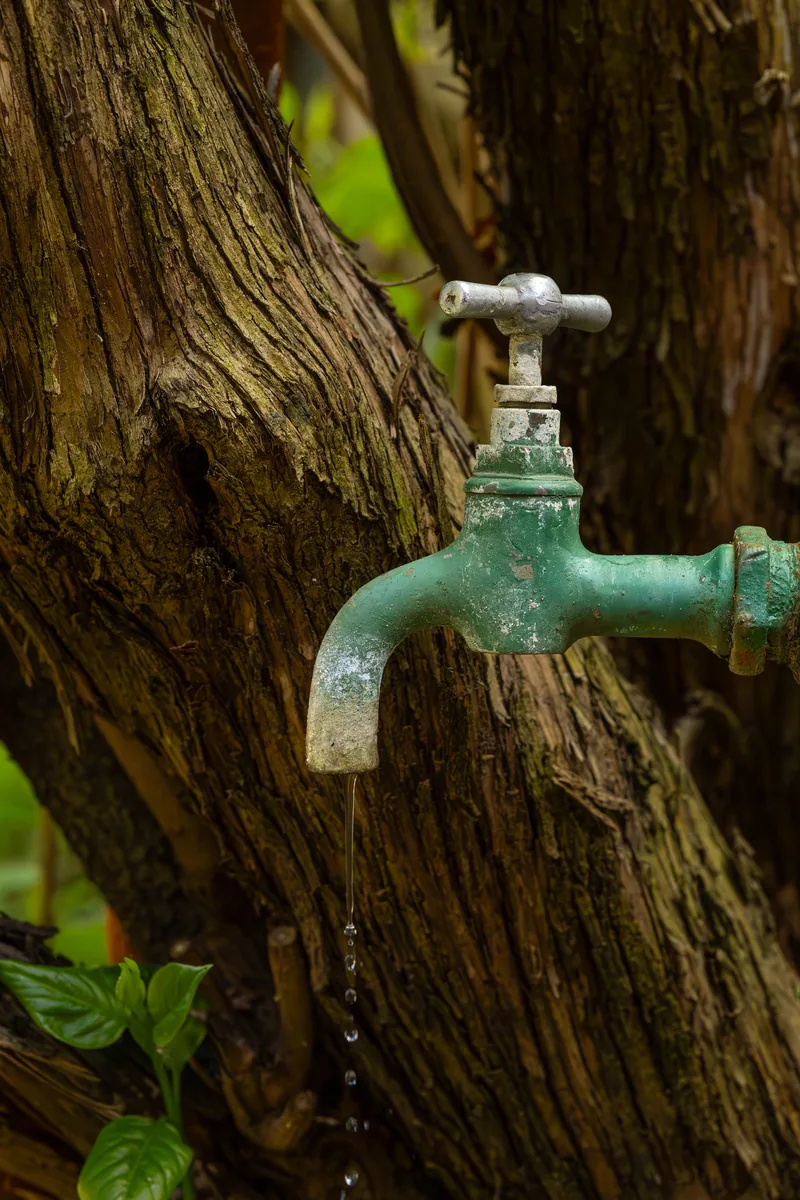
Coliform shows up in one of every three tested Pennsylvania wells, usually because a well built to no standard lets surface water in. A correctly sized UV system fixes the symptom for good; shock chlorination alone treats it for a few weeks. This is the state's flagship well problem and the first page to read after a failed bacteria test.
UV disinfection, explainedWhole-house well water treatment
Most Pennsylvania lab reports flag more than one thing: hardness plus iron, bacteria plus nitrate. A whole-house system treats the combination in the right order at the point the water enters your home, which usually beats stacking single-purpose fixes one emergency at a time.
How whole-house systems are put togetherIron and manganese staining, softening for limestone-valley hardness, nitrate, radon in water, and PFAS each have their own page under Services in the menu, with the same rule on every one: each technology is described by what it is designed to reduce, cited to EPA or NSF standards, never as a cure-all.
What it costs, and what happens after you send it
- What does well water treatment cost in Pennsylvania?
- There is no single price, because what the water needs decides the system. As a planning range, a single-purpose well water treatment system typically runs about $800 to $4,000 installed, and a staged multi-system setup runs about $2,500 to $10,000, per national 2025 to 2026 cost aggregates from HomeGuide, Angi and HomeAdvisor, checked 2026-07-12. No published Pennsylvania-specific dataset exists, so these are national figures rather than a Pennsylvania average, and this site claims none. Your test results are what move a real quote inside or outside those ranges. The Pennsylvania cost guide prints the full table by system, with both figures shown wherever two aggregators disagree.
- How fast will someone get back to me?
- Your request goes to an independent licensed local water treatment contractor, usually within about an hour during the day. That contractor then reviews your test results and quotes the work in writing on their own schedule.
- What work is covered?
- Bacteria and UV disinfection, iron and manganese removal, nitrate removal, PFAS treatment, radon in water treatment, water softening, and whole-house systems. See every service.
Only a contractor standing at your well can price your actual water.
Frequently Asked Questions
Is Keystone Well Water free to use?
Yes. Homeowners never pay us anything. We are paid a referral fee by the water treatment contractor who takes the job, and that fee never increases the price you pay for your project. The full explanation lives on our How We Make Money page, linked in the footer.
Who installs the treatment system?
An independent licensed local contractor. Every system is sized, installed, and serviced by that contractor, not by us. You can verify any Pennsylvania home improvement contractor through the Attorney General registration search before you sign.
Do I need a water test before requesting a quote?
No, but it helps. A recent lab report lets a contractor quote the right technology instead of guessing. If you have not tested yet, request a quote anyway and say so; testing through a DEP-accredited lab or the Penn State Agricultural Analytical Services Lab is the usual first step.
What parts of Pennsylvania do you cover?
The whole state, with the deepest coverage in the Lancaster, York, and Berks corridor and the surrounding south-central and southeastern counties. Statewide requests are welcome; quote times can be longer outside the corridor.
Your well, your responsibility, our directions
Pennsylvania leaves private wells to their owners. Start with the test guide or go straight to a free quote; both cost nothing.
Your request goes straight to an independent local water treatment contractor working in your Pennsylvania county, usually within about an hour during the day, usually within about an hour during the day, not a national lead list.
Monday to Friday, 8 AM to 5 PM Eastern
Updated